1. Indications and Usage
Hypertension: Treatment of hypertension.
Cardiovascular Conditions: Treatment of angina pectoris, myocardial infarction, and arrhythmias.
Other Indications: Treatment of hypertrophic cardiomyopathy, aortic dissection, hyperthyroidism, and cardiac neurosis. It is also used for heart failure under experienced medical guidance.
2. Dosage and Administration
Hypertension: The usual dosage is 100-200 mg taken orally twice daily.
Acute Myocardial Infarction: In the early stages, an initial intravenous injection of 2.5-5 mg every 5 minutes (total 10-15 mg) may be administered, followed by oral dosing of 25-50 mg every 6-12 hours.
Heart Failure: Initiation should be at 6.25 mg twice daily, gradually titrated up to a maximum of 50-100 mg twice daily based on clinical response.
General Administration: Oral administration.
3. Mechanism of Action
Beta-1 Selective Blockade: Metoprolol is a selective beta-1 adrenergic receptor blocker.
Cardiovascular Effects: It reduces heart rate, myocardial contractility, and cardiac output. By blocking sympathetic stimulation, it lowers blood pressure and reduces myocardial oxygen demand, providing relief from angina and reducing mortality post-infarction.
4. Safety and Warnings
Cardiovascular Contraindications: Contraindicated in cases of severe bradycardia (heart rate <45/min), cardiogenic shock, acute or decompensated heart failure, and second- or third-degree AV block.
Respiratory and Peripheral Circulation: Use with caution in patients with bronchospastic diseases or severe peripheral vascular disease, as it may exacerbate symptoms.
Abrupt Withdrawal: Sudden discontinuation in patients with ischemic heart disease can exacerbate angina or lead to myocardial infarction. The drug must be tapered gradually over 1-2 weeks.
5. Adverse Reactions and Clinical Research
Cardiovascular System: Bradycardia, conduction blocks, hypotension, and exacerbation of heart failure.
Central Nervous System: Due to its lipophilic nature, it may cause fatigue, dizziness, depression, headache, and insomnia.
Digestive System: Nausea, abdominal pain, diarrhea, and constipation.
Respiratory System: Shortness of breath and potential bronchospasm in susceptible individuals.
6. Drug Interactions
CYP2D6 Inhibitors: Quinidine, terbinfine, paroxetine, and fluoxetine can inhibit metabolism and increase metoprolol blood concentration, raising toxicity risk.
Calcium Channel Blockers: Concomitant use with verapamil or non-dihydropyridine calcium channel blockers may increase the risk of severe bradycardia and AV block.
Antihypertensives: May potentiate the hypotensive effects of other antihypertensive agents.
7. Pharmaceutical Information
Active Ingredient: Metoprolol Tartrate.
Appearance: White tablets.
Storage: Store in tight, light-resistant containers at controlled room temperature.
Betaloc Metoprolol Tartrate Tablets
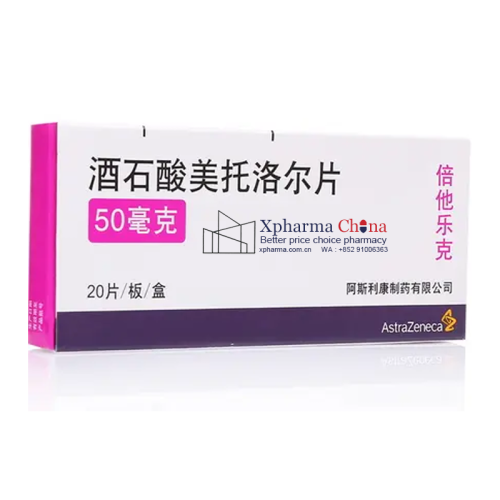
Brand Name:倍他乐克®( Betaloc®)
Generic Name: Metoprolol Tartrate
Strength: 50 mg per tablet, 20 tablets per box
Manufacturer: AstraZeneca Pharmaceutical Co., Ltd. (China domestic manufacturing site of AstraZeneca Group)
Marketing Authorization Holder: AstraZeneca Pharmaceutical Co., Ltd.
Approval Date in China: April 17, 2020 (latest official approval date of current registration)
Registration Number: 国药准字H32025390
Storage: Seal tightly, store away from light at room temperature; keep out of children’s reach, follow detailed storage instructions specified in the package insert.
Price&Cost:Contact Us now for the best price of Metoprolol Tartrate( Betaloc)
Only logged in customers who have purchased this product may leave a review.
Reviews
There are no reviews yet.