
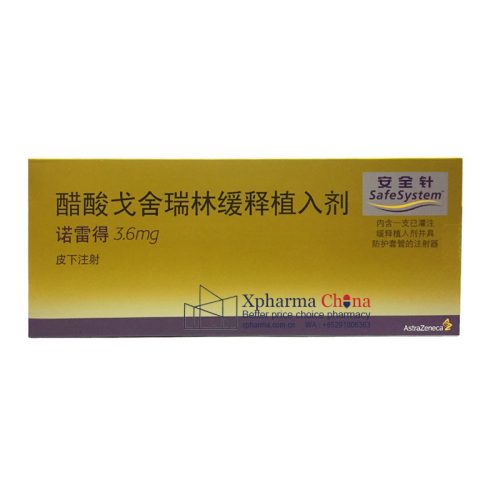
Zoladex Goserelin Acetate Sustained-Release Depot
Generic Name: goserelin acetate
Brand Name: ZOLADEX
Dosage Form & Strength: 3.6 mg implant for subcutaneous injection; 10.8 mg implant for subcutaneous injection
Initial U.S. Approval: 1989
Packager: TerSera Therapeutics LLC
Basic Drug Information
Generic Name: goserelin acetate
Brand Name: ZOLADEX
Dosage Form & Strength: 3.6 mg implant for subcutaneous injection; 10.8 mg implant for subcutaneous injection
Initial U.S. Approval: 1989
Packager: TerSera Therapeutics LLC
Drug Class: Gonadotropin-releasing hormone (GnRH) agonist
Indications and Usage
ZOLADEX 3.6 mg:
Palliative treatment of advanced prostate cancer
Treatment of endometriosis
Management of endometriosis-associated pain
Induction of endometrial thinning before endometrial ablation for dysfunctional uterine bleeding
Palliative treatment of advanced breast cancer in pre- and perimenopausal women
ZOLADEX 10.8 mg:
Palliative treatment of advanced prostate cancer
Treatment of endometriosis (3.6 mg every 28 days for 3 months, or one 10.8 mg implant for 12 weeks treatment duration)
Dosage and Administration
3.6 mg implant: 1 subcutaneous injection into the anterior abdominal wall every 28 days
10.8 mg implant: 1 subcutaneous injection into the anterior abdominal wall every 12 weeks
Administer via the provided sterile syringe and needle, do not reconstitute.
Contraindications
Known hypersensitivity to GnRH or GnRH agonists, or any component of the product
Pregnancy and lactation
Warnings and Precautions
Tumor Flare Reaction: Initial treatment causes transient increase in serum testosterone, which may lead to worsening of symptoms (bone pain, ureteral obstruction, spinal cord compression) in the first weeks. Monitor patients during this period.
Hyperglycemia: Increased risk of hyperglycemia and diabetes in patients treated with GnRH agonists. Monitor blood glucose regularly.
Cardiovascular Risk: Increased risk of myocardial infarction, stroke and cardiovascular death in men treated with GnRH agonists. Monitor cardiovascular risk factors.
Bone Loss: Long-term treatment causes dose-related bone loss, increasing the risk of osteoporosis and fracture.
Hypoestrogenic Side Effects: Common side effects include hot flushes, decreased libido, mood changes, vaginal dryness, which are consistent with estrogen deficiency induced by the drug.
Only logged in customers who have purchased this product may leave a review.
Reviews
There are no reviews yet.