1. Indications and Usage
Type 2 Diabetes: Indicated as an adjunct to diet and exercise to improve glycemic control in adults with type 2 diabetes mellitus.
2. Dosage and Administration
Starting Dose: The usual starting dose is 50 mg three times daily, taken immediately before meals.
Titration: The dose may be gradually increased to 100 mg three times daily based on efficacy and tolerability. In some cases, the dose may be increased to 200 mg three times daily.
Administration: The capsule should be swallowed whole immediately before the first bite of a meal. If a meal is skipped, the dose should be skipped.
3. Mechanism of Action
Enzyme Inhibition: Acarbose inhibits alpha-glucosidase enzymes on the brush border of the small intestine.
Delayed Absorption: This inhibition delays the breakdown and absorption of complex carbohydrates, oligosaccharides, and disaccharides, thereby reducing postprandial hyperglycemia.
4. Safety and Warnings
Gastrointestinal Effects: Flatulence and diarrhea are common, especially at the beginning of therapy or if the diet contains excessive simple sugars.
Hepatic Effects: Asymptomatic elevations in liver enzymes may occur. Liver function tests should be monitored during the first 6 to 12 months of therapy.
Hypoglycemia: Acarbose alone does not cause hypoglycemia. However, if hypoglycemia occurs due to combination therapy (e.g., with insulin or sulfonylureas), it must be treated with pure glucose (dextrose), not sucrose.
Contraindications: Contraindicated in patients with inflammatory bowel disease, colonic ulceration, intestinal obstruction, or severe renal impairment (creatinine clearance < 25 mL/min).
5. Adverse Reactions and Clinical Research
Common Adverse Reactions: Flatulence, diarrhea, abdominal distension, and borborygmi.
Other Adverse Effects: Rare cases of skin rash and hypersensitivity reactions have been reported.
Clinical Findings: Clinical studies have shown that acarbose effectively reduces postprandial glucose spikes and HbA1c with a low risk of hypoglycemia.
6. Drug Interactions
Hypoglycemic Agents: Concomitant use with insulin or sulfonylureas increases the risk of hypoglycemia; doses of these agents may need to be reduced.
Digestive Enzymes: Concomitant use with pancreatic enzyme preparations may reduce the efficacy of acarbose.
Digoxin: Acarbose may affect the bioavailability of digoxin.
Constipating Drugs: Drugs that slow intestinal motility (e.g., antihistamines, tricyclic antidepressants) may interfere with acarbose’s effect on postprandial glucose.
7. Pharmaceutical Information
Active Ingredient: Acarbose.
Strength: Typically 50 mg per capsule.
Appearance: The capsule contains a white or off-white powder.
Storage: Store in a dry place below 25°C.
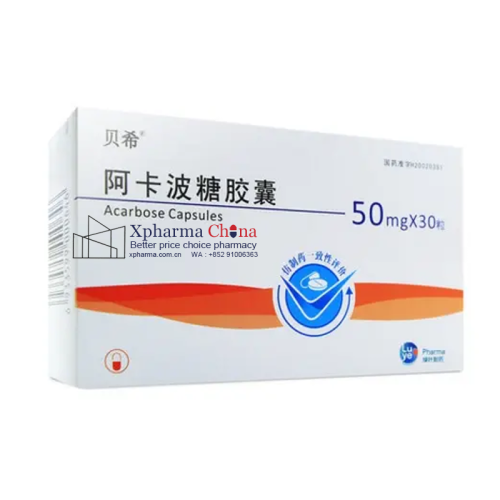
Beixi Acarbose Capsules
Brand Name: 贝希®(Beixi®)
Generic Name: Acarbose
Strength: 50 mg per capsule, 30 capsules per box
Manufacturer: Luye Pharma Group Ltd.
Marketing Authorization Holder: Luye Pharma Group Ltd.
Approval Date in China: 2020‑04‑10
Registration Number: 国药准字H20203081
Storage: Store in a sealed, dry place and protected from light.
Price&Cost:Contact Us now for the best price of Acarbose(Beixi)
Only logged in customers who have purchased this product may leave a review.

Reviews
There are no reviews yet.