
1. Indications and Usage
Phenylketonuria (PKU): Indicated for the chronic daily treatment of patients with PKU who demonstrate a positive response to sapropterin (i.e., those who are sapropterin-responsive).
BH4 Deficiency: Indicated for the treatment of BH4 deficiency associated with hyperphenylalaninemia (HPA).
2. Dosage and Administration
PKU Dosing: The recommended starting dose is 20 mg/kg once daily. The dose may be increased in increments of 10 mg/kg at weekly intervals based on blood phenylalanine levels and tolerability. The maximum recommended dose is 100 mg/kg/day.
BH4 Deficiency Dosing: The recommended starting dose is 20 mg/kg once daily, titrated up to 30 mg/kg/day.
Administration: Take orally with or without food. The tablets should be swallowed whole. Dosage adjustments are necessary if the patient’s weight changes significantly.
3. Mechanism of Action
Cofactor Supplementation: Sapropterin is a synthetic form of tetrahydrobiopterin (BH4), an essential cofactor for the enzyme phenylalanine hydroxylase (PAH).
Phenylalanine Metabolism: In responsive patients, sapropterin enhances the activity of residual PAH, promoting the conversion of phenylalanine to tyrosine and thereby lowering elevated blood phenylalanine levels.
Neurotransmitter Synthesis: BH4 is also a cofactor in the synthesis of serotonin and dopamine, which may be beneficial in patients with BH4 deficiency.
4. Safety and Warnings
PKU Diet: Sapropterin is an adjunct to, not a replacement for, a phenylalanine-restricted diet. Patients must continue dietary management.
Serotonin Syndrome: Theoretical risk of serotonin syndrome when used with other serotonergic agents, particularly in BH4-deficient patients.
Monitoring: Regular monitoring of blood phenylalanine levels, cognitive function, and nutritional status is required.
5. Adverse Reactions and Clinical Research
Common Adverse Reactions: Headache, nasopharyngitis, diarrhea, vomiting, rhinitis, and upper respiratory tract infection.
Other Effects: Dizziness, fatigue, and hyperhidrosis have been reported.
Clinical Findings: Clinical trials have demonstrated significant reductions in plasma phenylalanine levels in sapropterin-responsive PKU patients, allowing for dietary relaxation.
6. Drug Interactions
Serotonergic Drugs: Concomitant use with SSRIs, SNRIs, or other serotonergic agents may increase the risk of serotonin syndrome.
Levodopa/Carbidopa: May enhance the effects of dopaminergic drugs due to increased tyrosine conversion to dopamine.
Dietary Protein: Changes in dietary protein intake can affect blood phenylalanine levels and may necessitate dosage adjustments.
7. Pharmaceutical Information
Active Ingredient: Sapropterin Hydrochloride.
Strengths: Typically available as 100 mg, 200 mg, and 500 mg tablets.
Appearance: White to off-white, film-coated tablets.
Storage: Store at 20°C to 25°C (68°F to 77°F). Protect from light and moisture.
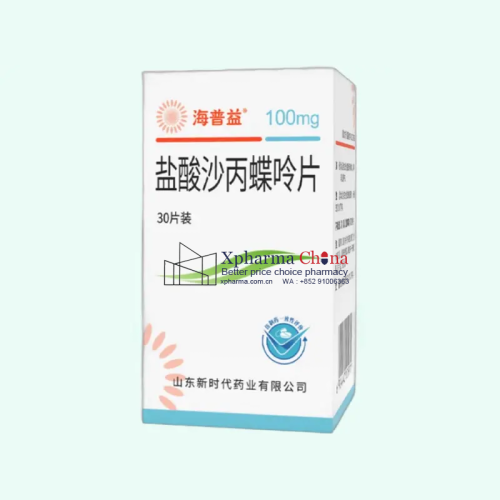
Haipuyi Sapropterin Hydrochloride Tablets
Brand Name: 海普益®(Haipuyi®)
Generic Name: Sapropterin Hydrochloride
Strength: 100mg per tablet, 30 tablets per box
Manufacturer: Shandong New Times Pharmaceutical Co., Ltd.
Marketing Authorization Holder: Shandong New Times Pharmaceutical Co., Ltd.
Approval Date in China: 2022‑12‑30
Registration Number: 国药准字 H20220048
Storage: Store in a sealed, dry place, protected from light.
Price&Cost:Contact Us now for the best price of Sapropterin Hydrochloride(Haipuyi)
Only logged in customers who have purchased this product may leave a review.
Reviews
There are no reviews yet.