1. Indications and Usage
Type 2 Diabetes: Indicated for patients with mild to moderate type 2 diabetes whose glycemic control has not been satisfactory after 2-3 months of diet control and exercise.
Prerequisites: Patients must have certain insulin secretory function and no acute complications (e.g., infection, trauma, ketoacidosis, hyperosmolar coma) or pregnancy.
2. Dosage and Administration
Starting Dose: The initial dose is 80 mg (2 capsules), taken once before breakfast and lunch (or dinner), or 40 mg (1 capsule) three times daily before meals.
Titration: The dose can be adjusted after 1 week based on efficacy. The maximum daily dose is 320 mg (8 capsules).
Special Populations: The dose should be appropriately reduced for elderly patients.
3. Mechanism of Action
Insulin Secretion: It binds to sulfonylurea receptors on beta cells, closing potassium channels and opening calcium channels, which triggers insulin secretion.
Extra-pancreatic Effects: It improves insulin resistance in peripheral tissues (muscle and fat) and increases the release of insulin after meals.
Microvascular Protection: It reduces platelet adhesion and aggregation and has fibrinolytic activity.
4. Safety and Warnings
Hypoglycemia: The most common adverse reaction, often triggered by missed meals, delayed eating, excessive dosage, or vigorous physical activity.
Contraindications: Contraindicated in patients with severe hepatic or renal impairment, type 1 diabetes, and those with known hypersensitivity to sulfonylureas or sulfonamides.
Concomitant Use: Patients using miconazole should not use this drug concurrently.
5. Adverse Reactions and Clinical Research
Common Adverse Reactions: Hypoglycemia, gastrointestinal disturbances (nausea, vomiting, epigastric burning), and increased appetite with weight gain.
Rare Adverse Reactions: Allergic skin reactions (rash, pruritus), hematologic abnormalities (anemia, leukopenia, thrombocytopenia), and rare cases of hepatic dysfunction (jaundice, abnormal liver function tests).
6. Drug Interactions
Hypoglycemic Potentiators: Concurrent use with alcohol, NSAIDs (especially salicylates), sulfonamide antibiotics, anticoagulants, beta-blockers, MAO inhibitors, tetracyclines, and chloramphenicol may increase the risk of hypoglycemia.
Hyperglycemic Agents: Concurrent use with corticosteroids, estrogen, thiazide diuretics, phenytoin, and rifampin may raise blood glucose levels, potentially requiring an increase in the Gliclazide dose.
7. Pharmaceutical Information
Active Ingredient: Gliclazide.
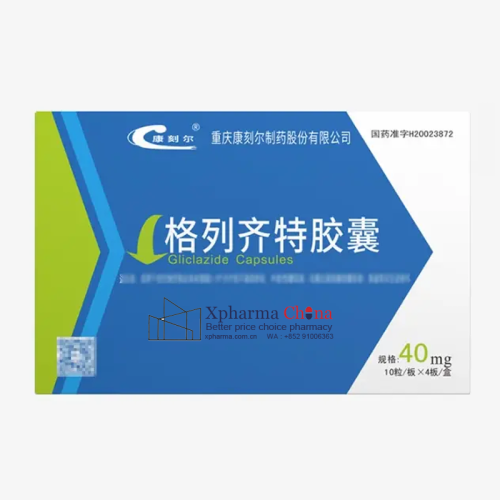
Kekeer Gliclazide Capsules
Brand Name: 康刻尔®(Kekeer®)
Generic Name: Gliclazide
Strength: 40 mg per capsule, 10 capsules per plate, 4 plates per box (40 capsules per box)
Manufacturer: Chongqing Conquer Pharmaceutical Co., Ltd.
Marketing Authorization Holder: Chongqing Conquer Pharmaceutical Co., Ltd.
Approval Date in China: 2002‑08‑16
Registration Number: 国药准字 H20023872
Storage: Store in a sealed, dry place.
Price&Cost:Contact Us now for the best price of Gliclazide(Kekeer)
Only logged in customers who have purchased this product may leave a review.


Reviews
There are no reviews yet.