1. Indications and Usage
Diabetes Mellitus: Treatment of adult and pediatric patients (typically ≥6 years) with diabetes mellitus who require insulin for the regulation of hyperglycemia.
Glycemic Control: Regulation of fasting glucose levels, often used in combination with rapid-acting or short-acting insulin.
2. Dosage and Administration
Dosage: Individualized based on blood glucose monitoring, clinical response, and dietary habits.
Administration: Subcutaneous injection only. Never for intravenous infusion.
Timing: Administer once daily at the same time each day.
Injection Sites: Abdomen, thigh, or buttocks. Sites must be rotated to prevent lipodystrophy.
3. Mechanism of Action
Receptor Binding: Binds to insulin receptors on muscle and adipose tissues, promoting glucose uptake.
Metabolic Effects: Inhibits hepatic glucose production and promotes glycogen synthesis, primarily reducing fasting glucose levels.
Pharmacokinetics: Onset of action approximately 1-2 hours; flat, peakless profile; duration of action up to 24 hours or longer.
4. Safety and Warnings
Hypoglycemia: The most common adverse reaction; risk increases with missed meals, excessive exercise, or dose mismatch.
Hypersensitivity: Severe allergic reactions, including anaphylaxis, may occur.
Hypokalemia: Insulin therapy may cause a shift of potassium into cells, leading to lower serum potassium levels.
Transitions: Dose adjustments may be required when switching between insulin brands or types.
5. Adverse Reactions and Clinical Research
Adverse Reactions: Hypoglycemia, injection site reactions, lipodystrophy, and weight gain.
Clinical Research: Clinical trials demonstrate efficacy in reducing fasting glucose with a lower risk of nocturnal hypoglycemia compared to NPH insulin.
6. Drug Interactions
Agents Increasing Glucose: Corticosteroids, oral contraceptives, thyroid hormones, and sympathomimetics may increase insulin requirements.
Agents Decreasing Glucose: Oral antidiabetic drugs, ACE inhibitors, salicylates, and alcohol may potentiate hypoglycemic effects.
Beta-Blockers: May mask clinical signs of hypoglycemia (e.g., tachycardia and tremors).
7. Pharmaceutical Information
Active Ingredient: Recombinant human insulin analogue (Glargine).
Excipients: Metacresol, glycerin, zinc chloride, and water for injection.
Appearance: Clear, colorless liquid.
Storage: Unopened pens should be refrigerated (2°C to 8°C). In-use pens may be kept at room temperature (below 30°C) for up to 28 days.
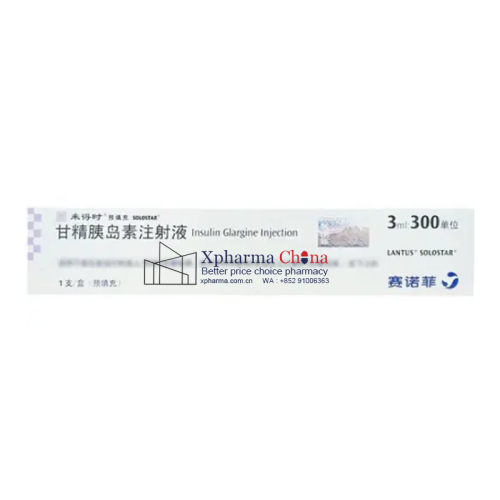
Lantus SoloStar Insulin Glargine Injection
Brand Name: 来得时®(Lantus® SoloStar)
Generic Name: Insulin Glargine
Strength: 100 IU/mL, 3 mL (300 insulin units) per pre‑filled SoloStar pen, 1 pen per box
Manufacturer: Sanofi‑Aventis Deutschland GmbH
Marketing Authorization Holder: Sanofi‑Aventis Deutschland GmbH (Sanofi group)
Approval Date in China: 2014
Registration Number: 国药准字J20140052
Storage:
Unopened pre‑filled pens: refrigerate at 2–8 ℃, strictly avoid freezing and direct sunlight;
Pens after the first injection: keep below 30 ℃, do not re‑refrigerate, discard leftover medication within 28 days; cap the pen after each shot to block light exposure;
Keep out of children’s reach, comply with full storage specifications stated in the official package insert.
Price&Cost:Contact Us now for the best price of Insulin Glargine(Lantus SoloStar)
Only logged in customers who have purchased this product may leave a review.
Reviews
There are no reviews yet.