1. Indications and Usage
Type 2 Diabetes: Primarily indicated for the control of blood glucose in patients with type 2 diabetes, used in conjunction with diet and exercise.
2. Dosage and Administration
Starting Dose: The usual starting dose is 15 mg once or twice daily before meals.
Titration: The dose should be gradually increased based on blood glucose response. The maximum recommended daily dose is 180 mg.
Administration: If the daily dose is ≤30 mg, it can be taken once before breakfast. If the dose is >30 mg, it should be divided and taken before meals (e.g., before breakfast, lunch, and dinner).
3. Mechanism of Action
Insulin Secretion: Gliquidone belongs to the sulfonylurea class and acts by binding to ATP-sensitive potassium channels on pancreatic beta cells.
Glucose Lowering: This binding triggers depolarization and calcium influx, leading to the release of insulin. It enhances glucose-stimulated insulin secretion, thereby lowering blood glucose levels.
4. Safety and Warnings
Renal and Hepatic Impairment: While it is suitable for mild renal impairment, it is contraindicated in severe renal or hepatic failure.
Hypoglycemia: The risk of hypoglycemia increases in the elderly, malnourished patients, or those with irregular meal patterns.
Contraindications: Contraindicated in type 1 diabetes, diabetic ketoacidosis, pregnancy, lactation, and patients with known hypersensitivity to sulfonylureas or sulfonamides.
5. Adverse Reactions and Clinical Research
Common Adverse Reactions: Hypoglycemia and weight gain are the most frequently reported adverse effects.
Other Effects: Gastrointestinal disturbances (nausea, bloating), allergic skin reactions, and transient visual disturbances may occur.
Rare Effects: Rare cases of hepatic dysfunction and hematologic abnormalities (e.g., thrombocytopenia) have been reported.
6. Drug Interactions
Alcohol: Gliquidone may decrease tolerance to alcohol, and ethanol may potentiate its hypoglycemic effects.
Hypoglycemic Agents: Concurrent use with other antidiabetic drugs may increase the risk of hypoglycemia.
CYP2C9 Inhibitors: Drugs such as fluconazole may inhibit metabolism and increase the risk of hypoglycemia.
Other Drugs: Corticosteroids, thiazides, and sympathomimetics may diminish the antidiabetic effect, while beta-blockers, ACE inhibitors, and salicylates may potentiate it.
7. Pharmaceutical Information
Active Ingredient: Gliquidone.
Strength: Typically 30 mg per capsule.
Appearance: Hard gelatin capsules containing white or off-white powder.
Storage: Store below 25°C in a dry and protected from light.
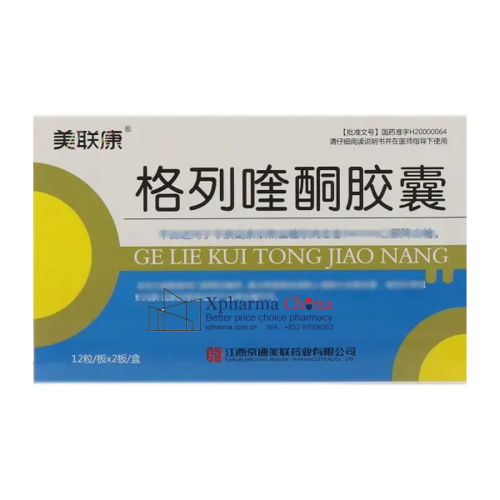
Meiliankang Gliquidone Capsules
Brand Name: 美联康®(Meiliankang®)
Generic Name: Gliquidone
Strength: 30 mg per capsule, 12 capsules per plate, 2 plates per box (24 capsules per box)
Manufacturer: Jiangxi Jingtong Meilian Pharmaceutical Co., Ltd.
Marketing Authorization Holder: Jiangxi Jingtong Meilian Pharmaceutical Co., Ltd.
Approval Date in China: 2000‑02‑13
Registration Number:国药准字H20000064
Storage: Store in sealed container, in a cool and dry place.
Price&Cost:Contact Us now for the best price of Gliquidone(Meiliankang)
Only logged in customers who have purchased this product may leave a review.

Reviews
There are no reviews yet.