1. Indications and Usage
Chronic Lymphocytic Leukemia (CLL):
Indicated for the treatment of patients with CLL in combination with chlorambucil.
Follicular Lymphoma (FL):
Indicated for the treatment of patients with previously untreated FL in combination with chemotherapy, and as single-agent maintenance therapy in patients who achieve a response or partial response.
2. Dosage and Administration
Route of Administration:
For Intravenous (IV) Infusion ONLY. Do not administer as an IV push or bolus.
Recommended Dosage (CLL):
Cycle 1, Day 1: 100 mg IV over 4 hours.
Cycle 1, Day 2: 900 mg IV.
Cycle 1, Days 8 & 15: 1000 mg IV.
Cycles 2–6: 1000 mg IV on Day 1.
Schedule: 28-day cycles.
Premedication:
Administer corticosteroids, acetaminophen, and antihistamines prior to each infusion to reduce infusion-related reactions (IRR).
Dilution:
Dilute in 0.9% Sodium Chloride Injection only. Do not use 5% Dextrose.
3. Mechanism of Action
CD20 Antigen Binding:
Obinutuzumab binds to the extracellular epitope of the CD20 antigen on B-lymphocytes.
Direct and Indirect Cytotoxicity:
It induces cell death through:
1. Direct Activation: Binding triggers direct intracellular death signaling pathways (unlike Type I antibodies).
2. Immune Mediation: It mediates Antibody-Dependent Cellular Cytotoxicity (ADCC) and Antibody-Dependent Cellular Phagocytosis (ADCP).
4. Safety and Warnings
Infusion-Related Reactions (IRR):
Can be severe and fatal. Most common during the first infusion. Monitor closely and interrupt infusion for severe reactions.
Tumor Lysis Syndrome (TLS):
Occurs due to rapid lysis of tumor cells. Monitor electrolytes and renal function, especially in patients with high tumor burden.
Hepatitis B Virus (HBV) Reactivation:
Screening for HBV is required prior to initiation. Reactivation can lead to fulminant hepatitis and death.
Serious Infections:
Increased risk of bacterial, fungal, and viral infections. Avoid live virus vaccines during treatment.
Progressive Multifocal Leukoencephalopathy (PML):
Rare but fatal cases have been reported.
5. Adverse Reactions
Most Common:
Infusion-related reactions, thrombocytopenia, neutropenia, anemia, pyrexia, cough, and musculoskeletal pain.
Laboratory Abnormalities:
Decreased lymphocytes, increased serum creatinine.
6. Drug Interactions
Antihypertensives:
Hypotension may occur during infusion. Consider suspending antihypertensive therapy for 12 hours prior to and during infusion.
Live Virus Vaccines:
Contraindicated during and after treatment until B-cell reconstitution.
7. Pharmaceutical Information
Chemical Composition:
Active Ingredient: Obinutuzumab.
Appearance: Clear, colorless to slightly brownish solution.
Storage: Store at 2°C–8°C. Do not freeze or shake.
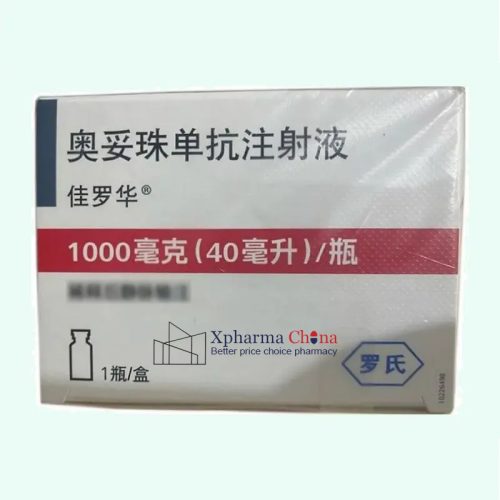
Gazyva Obinutuzumab Injection
Brand Name: 佳罗华 ®(Gazyva®)
Generic Name: Obinutuzumab
Strength: 1000 mg (40 mL) per vial, 1 vial per box
Manufacturer: Roche Diagnostics GmbH
Marketing Authorization Holder: Roche Pharma (Schweiz) AG (Switzerland); domestic filing entity: Roche (China) Investment Co., Ltd.
Approval Date in China: June 1, 2021
Registration Number: 国药准字 SJ20210018
Storage: Store at 2°C–8°C (36°F–46°F), protected from light. Do not freeze or shake. Keep the vial in the original carton to protect from light. Keep out of reach of children.
Price&Cost:Contact Us now for the best price of Obinutuzumab (Gazyva)
Only logged in customers who have purchased this product may leave a review.
Reviews
There are no reviews yet.