
1. Indications and Usage
Ovarian Cancer:Niraparib is indicated for the maintenance treatment of adult patients with advanced epithelial ovarian, fallopian tube, or primary peritoneal cancer who are in a complete or partial response to first-line or platinum-sensitive recurrent platinum-based chemotherapy.
Prostate Cancer:Also approved for the treatment of homologous recombination repair (HRR) gene-mutated metastatic castration-resistant prostate cancer (mCRPC) in patients who have progressed following androgen receptor-directed therapy and taxane-based chemotherapy.
2. Dosage and Administration
Recommended Dose:
General Population:300 mg (two 150 mg capsules) orally once daily.
Patients with Baseline Body Weight <77 kg or Platelet Count <150,000/μL:Consider starting at 200 mg once daily to reduce risk of hematologic toxicity.
Dosing Schedule:Continue until disease progression or unacceptable toxicity.
Dose Modifications:Dose interruptions and reductions are recommended for hematologic toxicities or other severe adverse reactions. Second-line dose: 200 mg; third-line: 100 mg.
Administration:Can be taken with or without food, at the same time each day.
3. Mechanism of Action
Niraparib is a potent, selective inhibitor of poly (ADP-ribose) polymerase (PARP) enzymes, including PARP-1 and PARP-2. It traps PARP on DNA single-strand breaks, leading to replication fork collapse and double-strand DNA breaks. In tumor cells with homologous recombination deficiency (HRD), such as those with BRCA mutations, this results in synthetic lethality and cell death.
4. Safety and Warnings
Myelodysplastic Syndrome/Acute Myeloid Leukemia (MDS/AML):Occurred in <1.5% of patients; can be fatal. Monitor blood counts monthly; if confirmed, discontinue permanently.
Bone Marrow Suppression:Common ≥3级 events include thrombocytopenia (34%), anemia (25%), and neutropenia (20%). Monitor complete blood count weekly for first month, then monthly.
Cardiovascular Effects:Hypertension (33%), tachycardia, and rarely heart failure. Monitor blood pressure and heart rate monthly.
Embryo-Fetal Toxicity:Can cause fetal harm. Advise patients to use effective contraception during treatment and for at least 6 months after last dose.
5. Adverse Reactions
Common (≥20%):Thrombocytopenia, anemia, neutropenia, nausea, fatigue, constipation, vomiting, abdominal pain, headache, insomnia, decreased appetite.
Serious Adverse Reactions:MDS/AML, bone marrow suppression, hypertension, and suicidal ideation (rare but reported).
Laboratory Abnormalities:Persistent cytopenias, elevated liver enzymes, and lipid abnormalities.
6. Drug Interactions
Strong CYP3A4 Inhibitors (e.g., ketoconazole):May increase niraparib exposure; avoid or reduce dose to 200 mg if co-administration is necessary.
Strong CYP3A4 Inducers (e.g., rifampin):May decrease exposure; avoid co-administration.
Niraparib is a substrate of P-glycoprotein (P-gp); avoid with strong P-gp inhibitors unless benefit outweighs risk.
7. Pharmaceutical Information
Brand Name:Zejula®
Generic Name:Niraparib
Manufacturer:Tesaro, Inc. (a GSK company)
FDA Approval Date:First approved in 2017 (ovarian cancer), expanded to prostate cancer in 2020
Dosage Forms:Capsules (100 mg, 150 mg)
Storage:Store at 20–25°C (68–77°F), with excursions permitted between 15–30°C
⚠️ Note:This information is derived from the FDA-approved label. Always consult a healthcare provider for personalized medical advice.

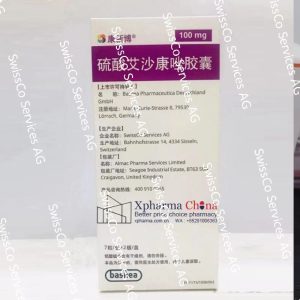
Zejula®Niraparib
Brand Name:Zejula®
Generic Name:Niraparib
Manufacturer:Tesaro, Inc. (a GSK company)
FDA Approval Date:First approved in 2017 (ovarian cancer), expanded to prostate cancer in 2020
Dosage Forms:Capsules (100 mg, 150 mg)
Storage:Store at 20–25°C (68–77°F), with excursions permitted between 15–30°C
Price&Cost: Contact Us now for the best price of Niraparib
Only logged in customers who have purchased this product may leave a review.



Reviews
There are no reviews yet.