
1. Indications and Usage
Diabetic Polyneuropathy: Indicated for the symptomatic treatment of polyneuropathy associated with diabetes mellitus (e.g., paresthesia, pain, burning sensation).
Hepatic Disorders: Used as an adjunctive therapy in chronic inflammatory and toxic liver diseases.
Heavy Metal Poisoning: In parenteral forms, it is used as a chelating agent for acute poisoning by heavy metal salts (e.g., mercury, lead), though the capsule form is primarily oral for neuropathy and liver support.
2. Dosage and Administration
Standard Dose: The usual dosage for adults is 600 mg once daily.
Administration: It should be taken on an empty stomach, at least 30 minutes before a meal, with a glass of water. Food significantly reduces the bioavailability of thioctic acid.
Duration: For diabetic neuropathy, treatment is typically long-term, often continuing for several months depending on clinical response.
3. Mechanism of Action
Antioxidant Activity: Thioctic acid is a potent universal antioxidant that scavenges free radicals and regenerates other antioxidants like glutathione, vitamin C, and vitamin E, protecting cells from oxidative stress.
Glucose Metabolism: It improves insulin sensitivity and enhances glucose uptake and oxidation in peripheral tissues, helping to reduce blood glucose and serum insulin levels.
Lipid Metabolism: It inhibits lipid peroxidation and helps normalize lipid profiles.
4. Safety and Warnings
Hypoglycemia: Since thioctic acid can lower blood glucose levels, patients with diabetes should monitor their blood sugar closely, especially if they are also taking antidiabetic medications.
Thyroid Disorders: Use with caution in patients with hyperthyroidism or Graves’ disease.
Occult Intestinal Obstruction: Should be used cautiously in patients with a history of intestinal obstruction.
Pregnancy and Lactation: Safety has not been fully established; use only if the potential benefit justifies the risk.
5. Adverse Reactions and Clinical Research
Common Adverse Reactions: Headache, sweating, nausea, vomiting, and gastrointestinal discomfort.
Allergic Reactions: Rare cases of urticaria, pruritus, and anaphylactic reactions.
Metabolic Effects: May cause transient hypoglycemia.
Clinical Findings: Clinical studies have demonstrated significant improvement in neuropathic symptoms and nerve conduction velocity in diabetic patients.
6. Drug Interactions
Antidiabetic Agents: Thioctic acid may enhance the glucose-lowering effects of insulin and oral hypoglycemics, increasing the risk of hypoglycemia. Dose adjustment of antidiabetic drugs may be necessary.
Cisplatin: May interfere with the antineoplastic activity of cisplatin.
Alcohol: Alcohol consumption may increase the toxic effects on the liver and interfere with the metabolic benefits of thioctic acid.
7. Pharmaceutical Information
Active Ingredient: Thioctic Acid (Alpha-Lipoic Acid).
Strengths: Typically available as 300 mg or 600 mg capsules.
Appearance: Hard gelatin capsules, usually containing white or yellowish powder or granules.
Storage: Store in a light-resistant, tightly closed container, protected from moisture and excessive heat.
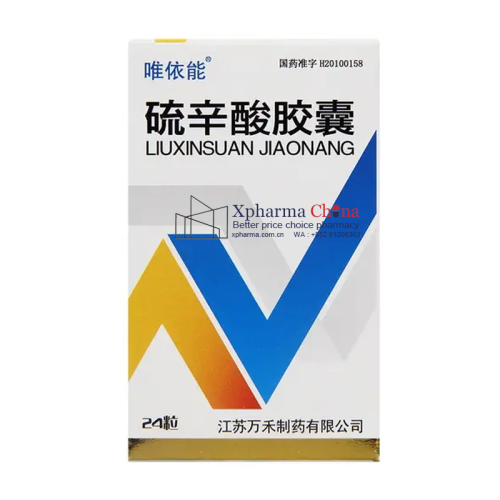
Weinengyi Thioctic Acid Capsules
Brand Name: 唯依能®(Weinengyi®)
Generic Name: Thioctic Acid
Strength: 0.3g per capsule, 24 capsules per box
Manufacturer: Jiangsu Wanhe Pharmaceutical Co., Ltd.
Marketing Authorization Holder: Jiangsu Wanhe Pharmaceutical Co., Ltd.
Approval Date in China: 2010‑04‑12
Registration Number: 国药准字H20100158
Storage: Store in a sealed, dry place, protected from light.
Price&Cost:Contact Us now for the best price of Thioctic Acid(Weinengyi)
Only logged in customers who have purchased this product may leave a review.

Reviews
There are no reviews yet.