1. Indications and Usage
Peptic Ulcer Disease: Indicated for the relief of pain and discomfort associated with gastric and duodenal ulcers.
Dyspepsia: Used for the symptomatic management of gastritis, acid reflux, and general dyspepsia (heartburn, acid regurgitation).
Gastrointestinal Spasm: The belladonna component helps relieve smooth muscle spasms in the gastrointestinal tract.
2. Dosage and Administration
Standard Dose: The usual dosage for adults is 1–2 tablets taken orally three times daily, typically 1 hour before meals and at bedtime.
Administration: Swallow the tablets whole with water. Do not exceed the recommended dose.
Duration: For peptic ulcers, treatment duration is usually 4–8 weeks. For dyspepsia, it should be used on a short-term basis.
3. Mechanism of Action
Antacid Effect: Aluminum and magnesium hydroxides neutralize gastric acid, raising the pH of the stomach contents and reducing pepsin activity.
Mucosal Protection: Aluminum forms a protective coating over the ulcer base, shielding it from acid and enzymes.
Antispasmodic Effect: Belladonna (containing tropane alkaloids like atropine) acts as an anticholinergic agent, inhibiting vagal stimulation of the gastrointestinal tract, thereby reducing motility and secretions.
4. Safety and Warnings
Glaucoma: Contraindicated in patients with glaucoma or a tendency to increased intraocular pressure, as belladonna can cause pupillary dilation.
Prostatic Hypertrophy: Use with extreme caution or avoid in patients with prostatic hypertrophy or urinary tract obstruction.
Severe Renal Failure: Aluminum accumulation can lead to toxicity in patients with severe renal impairment.
Myasthenia Gravis: Belladonna may exacerbate muscle weakness in these patients.
5. Adverse Reactions and Clinical Research
Common Adverse Reactions: Constipation (due to aluminum) or diarrhea (due to magnesium), dry mouth, blurred vision, and dizziness.
Anticholinergic Effects: Tachycardia, urinary retention, and difficulty in micturition may occur due to the belladonna component.
Neurological Effects: In elderly patients with renal failure, aluminum toxicity may manifest as encephalopathy or osteomalacia.
6. Drug Interactions
Antacids: Concurrent use with other antacids may alter gastric pH and drug absorption.
Digoxin: Antacids may reduce the absorption of digoxin.
Tetracyclines and Iron Salts: Aluminum can form chelates with these drugs, significantly reducing their absorption.
Ketoconazole/Itraconazole: Increased gastric pH may decrease the absorption of these antifungal agents.
7. Pharmaceutical Information
Active Ingredients: Aluminum Hydroxide, Magnesium Hydroxide, and Belladonna Extract.
Strengths: Typically contains specific ratios of aluminum and magnesium hydroxides along with standardized belladonna extract.
Appearance: Usually tablets, often film-coated.
Storage: Store in a tight, light-resistant container at controlled room temperature.
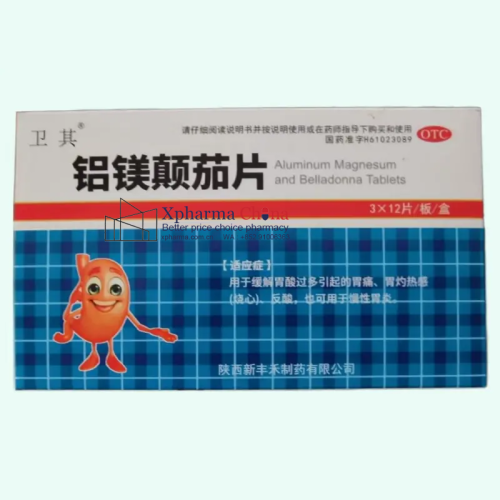
Weiqi Aluminum Magnesium and Belladonna Tablets
Brand Name: 卫其®(Weiqi®)
Generic Name: Aluminum Magnesium and Belladonna
Strength: 12 tablets per plate, 3 plates per box, total 36 tablets per box
Manufacturer: Shaanxi Xinfenghe Pharmaceutical Co., Ltd.
Marketing Authorization Holder: Shaanxi Xinfenghe Pharmaceutical Co., Ltd.
Approval Date in China: 2003‑04‑16
Registration Number: 国药准字H61023089
Storage: Store in a sealed, dry place, protected from light.
Price&Cost:Contact Us now for the best price of Aluminum Magnesium and Belladonna(Weiqi)
Only logged in customers who have purchased this product may leave a review.


Reviews
There are no reviews yet.