1. Indications and Usage
Type 2 Diabetes: Indicated for patients with type 2 diabetes who have inadequate glycemic control with diet and exercise alone, or as combination therapy when monotherapy is insufficient.
2. Dosage and Administration
Starting Dose: The usual starting dose is 2.5 mg glipizide/250 mg metformin once daily with a meal.
Titration: Dosage should be individualized based on efficacy and tolerability. Dose increases should be made in increments of one tablet every two weeks.
Maximum Dose: The maximum recommended daily dose is 10 mg glipizide/2000 mg metformin, administered in divided doses.
3. Mechanism of Action
Metformin Component: Decreases hepatic glucose production, decreases intestinal absorption of glucose, and improves insulin sensitivity by increasing peripheral glucose uptake and utilization.
Glipizide Component: A sulfonylurea that stimulates insulin secretion from pancreatic beta cells by closing ATP-sensitive potassium channels, thereby lowering blood glucose levels.
4. Safety and Warnings
Lactic Acidosis: A rare but serious complication associated with metformin. Risk increases with renal impairment, sepsis, dehydration, or hepatic dysfunction.
Hypoglycemia: Glipizide may cause hypoglycemia, especially in elderly, malnourished, or renal-impaired patients.
Renal Function: Renal function must be assessed prior to initiation and regularly thereafter. Use is contraindicated in significant renal impairment.
5. Adverse Reactions and Clinical Research
Common Adverse Reactions: Gastrointestinal symptoms (diarrhea, nausea, vomiting, abdominal pain) are common due to metformin. Hypoglycemia, dizziness, and headache are associated with glipizide.
Clinical Findings: Clinical trials have demonstrated the efficacy of fixed-dose combinations in lowering HbA1c compared to monotherapy, with adverse event profiles consistent with the individual components.
6. Drug Interations
Alcohol: Intake should be limited due to the increased risk of lactic acidosis and hypoglycemia.
Cationic Drugs: Drugs eliminated by renal tubular secretion (e.g., amiloride, digoxin, morphine, procainamide, tramadol) may compete with metformin.
Glucocorticoids/Thiazides: May diminish the antidiabetic effect, potentially requiring an increase in the tablet dosage.
7. Pharmaceutical Information
Active Ingredients: Metformin Hydrochloride and Glipizide.
Strengths: Commonly available as 2.5 mg/250 mg tablets.
Appearance: Film-coated tablets, white to off-white.
Storage: Store below 25°C (77°F) in a dry place.
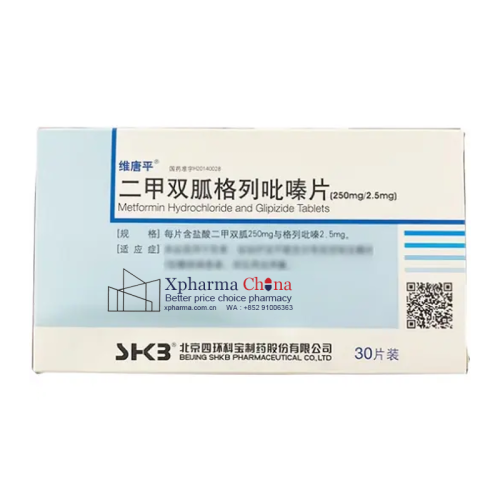
Weitangping Metformin Hydrochloride and Glipizide Tablets
Brand Name: 维唐平®(Weitangping®)
Generic Name: Metformin Hydrochloride and Glipizide
Strength: 250 mg Metformin Hydrochloride and 2.5 mg Glipizide per tablet, 30 tablets per box
Manufacturer: Beijing SHKB Pharmaceutical Co., Ltd.
Marketing Authorization Holder: Beijing SHKB Pharmaceutical Co., Ltd.
Approval Date in China: 2001‑03‑21
Registration Number: 国药准字H20010028
Storage: Store in a sealed, dry place, protected from light.
Price&Cost:Contact Us now for the best price of Metformin Hydrochloride and Glipizide(Weitangping)
Only logged in customers who have purchased this product may leave a review.

Reviews
There are no reviews yet.