1. Indications and Usage
Type 2 Diabetes Mellitus: Indicated as an adjunct to diet and exercise for the treatment of type 2 diabetes mellitus.
Impaired Glucose Tolerance: Indicated for the reduction of postprandial blood glucose in patients with impaired glucose tolerance.
2. Dosage and Administration
Recommended Dose: The recommended starting dose is 50 mg taken three times daily with meals.
Titration: The dose may be increased to 100 mg three times daily based on blood glucose response. The maximum recommended dose is 200 mg three times daily.
Administration: The tablets must be chewed with the first few bites of a meal to ensure proper mixing with food.
3. Mechanism of Action
Enzyme Inhibition: Acarbose competitively inhibits intestinal α-glucosidases (such as maltase, sucrase, and glucoamylase).
Delayed Absorption: By blocking these enzymes, the breakdown of complex carbohydrates and disaccharides into monosaccharides is delayed, resulting in a slower rate of glucose absorption and reduced postprandial hyperglycemia.
4. Safety and Warnings
Hypoglycemia: Acarbose monotherapy does not cause hypoglycemia. However, if used with sulfonylureas or insulin, hypoglycemia may occur.
Hypoglycemia Treatment: Because carbohydrate absorption is inhibited, sucrose (table sugar) should not be used to treat hypoglycemia. Pure glucose (dextrose) must be administered to correct low blood sugar.
Gastrointestinal Contraindications: Contraindicated in patients with inflammatory bowel disease, colonic ulceration, or conditions predisposing to intestinal obstruction.
Hepatic Effects: Periodic monitoring of liver enzymes is recommended during the first year of therapy due to the risk of asymptomatic elevation.
5. Adverse Reactions and Clinical Research
Adverse Reactions: The most common adverse reactions are gastrointestinal, including flatulence, borborygmi, diarrhea, and abdominal pain. These reactions often diminish with continued therapy.
Clinical Research: Clinical trials have demonstrated that acarbose effectively reduces postprandial glucose excursions and HbA1c levels while maintaining a low risk of hypoglycemia and weight gain.
6. Drug Interactions
Digestive Enzymes and Adsorbents: Concomitant use of intestinal enzyme preparations (e.g., pancreatin) or adsorbents (e.g., activated charcoal) may reduce the efficacy of acarbose.
Diuretics and Antihypertensives: Thiazide diuretics, furosemide, and other antihypertensives may increase blood glucose levels, potentially interfering with the hypoglycemic effect of acarbose.
Digoxin: Acarbose may alter the bioavailability of digoxin; monitoring is advised.
7. Pharmaceutical Information
Composition: The active ingredient is acarbose. The chewable formulation typically contains excipients such as starch or lactose to facilitate tablet compression and chewing.
Appearance: Chewable tablets are typically white to pale yellow.
Storage: Store in a dry place, protected from light and moisture.
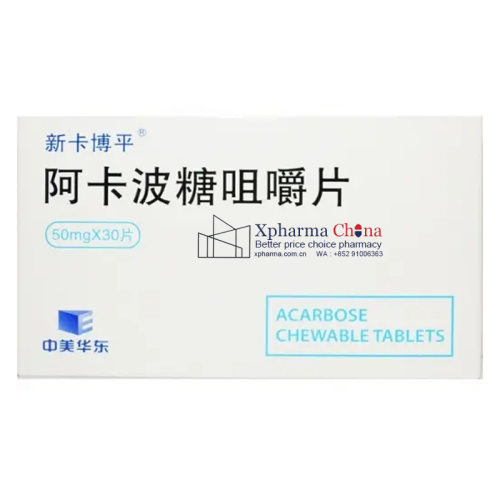
Xinkaboping Acarbose Chewable Tablets
Brand Name: 新卡博平 ®(Xinkaboping®)
Generic Name: Acarbose
Strength: Each chewable tablet contains 50 mg acarbose, 30 tablets per box
Manufacturer: Hangzhou Zhongmei Huadong Pharmaceutical Jiangdong Co., Ltd.
Marketing Authorization Holder: Hangzhou Zhongmei Huadong Pharmaceutical Co., Ltd.
Approval Date in China: February 6, 2015
Registration Number: 国药准字H20150012
Storage: Store sealed, protected from light in a cool place below 20°C. Keep out of sight and reach of children. Refer to the full package insert for detailed storage specifications.
Price&Cost:Contact Us now for the best price of Acarbose(Xinkaboping)
Only logged in customers who have purchased this product may leave a review.
Reviews
There are no reviews yet.