1. Indications and Usage
Type 2 Diabetes Mellitus: Indicated for the control of blood glucose in adult patients with type 2 diabetes, either as monotherapy or in combination with metformin or sulfonylureas.
Obesity and Overweight: Indicated for weight management in adults with obesity or overweight. It is typically used in combination with dietary control and physical activity.
2. Dosage and Administration
Dosage Titration: The initial dose is 0.1 mg administered subcutaneously three times daily (within 5 minutes before each meal). After 2 weeks, the dose may be increased to 0.2 mg three times daily based on tolerability.
Administration: The injection should be administered subcutaneously in the abdomen, thigh, or upper arm.
Frequency: Due to its short half-life, it must be taken before every main meal.
3. Mechanism of Action
GLP-1 Receptor Agonism: Beinaglutide binds to and activates glucagon-like peptide-1 (GLP-1) receptors.
Glucose Regulation: It stimulates insulin secretion and inhibits glucagon release in a glucose-dependent manner, primarily reducing postprandial hyperglycemia.
Appetite Suppression: It delays gastric emptying and acts on the central nervous system to increase satiety, thereby reducing food intake and promoting weight loss.
4. Safety and Warnings
Thyroid C-Cell Tumors: Like other GLP-1 receptor agonists, it is contraindicated in patients with a personal or family history of medullary thyroid carcinoma (MTC) or patients with Multiple Endocrine Neoplasia syndrome type 2 (MEN 2).
Pancreatitis: Acute pancreatitis has been reported with GLP-1 agonists. Patients should be monitored for severe abdominal pain, and the drug should be discontinued if pancreatitis is suspected.
Hypoglycemia: While the risk is low when used as monotherapy, the risk increases when combined with sulfonylureas or insulin; dose reduction of the concomitant agent may be necessary.
5. Adverse Reactions and Clinical Research
Adverse Reactions: The most common adverse reactions are gastrointestinal, including nausea, vomiting, and diarrhea. Other reported reactions include dizziness, headache, and injection site reactions.
Clinical Research: Clinical trials have demonstrated that Beinaglutide effectively lowers HbA1c and body weight while improving metabolic parameters in patients with type 2 diabetes and obesity.
6. Drug Interactions
GLP-1 Agonists: Concomitant use with other GLP-1 receptor agonists is not recommended.
Hypoglycemic Agents: As mentioned, concomitant use with sulfonylureas or insulin requires careful monitoring and potential dose adjustments to prevent hypoglycemia.
7. Pharmaceutical Information
Composition: The active ingredient is Beinaglutide.
Appearance: It is a clear, colorless liquid.
Storage: Store in a refrigerator at 2°C to 8°C. Do not freeze. Protect from light.
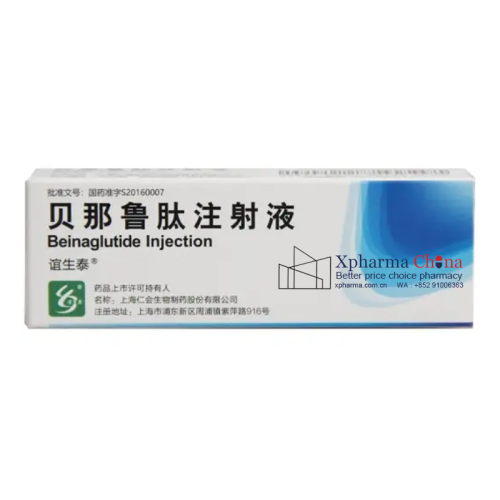
YishengTai Beinaglutide Injection
Brand Name: 谊生泰 ®(YishengTai®)
Generic Name: Beinaglutide
Strength: 4.2 mg (42000 U) in 2.1 mL per pre-filled pen, 1 pen per box
Manufacturer: Shanghai Benemae Pharmaceutical Co., Ltd.
Marketing Authorization Holder: Shanghai Benemae Pharmaceutical Co., Ltd.
Approval Date in China: December 13, 2016
Registration Number: 国药准字S20160007
Storage: Store tightly sealed and protected from light at 2°C–8°C before first use; do not freeze. After opening, it can be stored at 2°C–8°C for up to 6 weeks, or below 25°C for a maximum of 2 weeks. Keep out of reach of children. Refer to the full package insert for detailed storage specifications.
Price&Cost:Contact Us now for the best price of Beinaglutide(YishengTai)
Only logged in customers who have purchased this product may leave a review.
Reviews
There are no reviews yet.