1. Indications and Usage
Chemotherapy-Induced Nausea and Vomiting (CINV): Indicated for the prevention of nausea and vomiting associated with highly emetic cancer chemotherapy.
Radiotherapy-Induced Nausea and Vomiting: Indicated for the prevention of nausea and vomiting associated with radiotherapy.
Postoperative Nausea and Vomiting (PONV): Indicated for the prevention and treatment of nausea and vomiting associated with anesthesia and analgesia.
2. Dosage and Administration
Adult Dosing for CINV:
Highly Emetic: 24 mg may be administered as a single dose 30 minutes before the start of chemotherapy.
Moderately Emetic: 8 mg administered orally 30 minutes before the start of chemotherapy, followed by 8 mg every 8 hours for 1 to 2 days after chemotherapy is completed.
Adult Dosing for Radiotherapy: 8 mg administered 1 to 2 hours before radiotherapy, followed by 8 mg every 8 hours as needed.
Adult Dosing for PONV: 16 mg administered orally 1 hour before induction of anesthesia.
Pediatric Dosing: For children 4 to 11 years of age receiving moderately or highly emetic cancer chemotherapy, the recommended dose is 4 mg administered 30 minutes before chemotherapy.
Administration: The oral soluble pellicles should be placed on the tongue with dry hands, where they will disintegrate and dissolve in seconds for swallowing with saliva. Water is not required.
3. Mechanism of Action
5-HT3 Receptor Antagonism: Ondansetron selectively blocks serotonin 5-hydroxytryptamine type 3 (5-HT3) receptors.
Pathway Blockade: It prevents the activation of vagal nerve terminals by serotonin released from enterochromaffin cells and inhibits the central chemoreceptor trigger zone, thereby blocking the vomiting reflex.
4. Safety and Warnings
QTc Prolongation: Ondansetron may prolong the QTc interval, particularly at high doses or when administered intravenously.
Serotonin Syndrome: A life-threatening condition may occur when used concomitantly with other serotonergic drugs (e.g., SSRIs, SNRIs, triptans, MAOIs).
Hypersensitivity: Serious allergic reactions, including angioedema and anaphylaxis, have been reported.
Bowel Obstruction: It should not be used in patients with known gastrointestinal obstruction, as it may mask symptoms of paralytic ileus.
5. Adverse Reactions and Clinical Research
Adverse Reactions: Common adverse reactions include headache, constipation, diarrhea, dizziness, abdominal pain, fatigue, and transient elevation of liver enzymes.
Clinical Research: Clinical trials have demonstrated that ondansetron is highly effective in reducing the incidence and severity of acute and delayed nausea and vomiting across various emetic stimuli.
6. Drug Interactions
Serotonergic Drugs: Concomitant use increases the risk of serotonin syndrome.
QTc-Prolonging Drugs: Concomitant use with drugs known to prolong the QTc interval (e.g., apomorphine, thioridazine, other antiarrhythmics) is contraindicated or requires caution.
Hepatic CYP3A4 Inhibitors: Drugs such as ketoconazole or erythromycin may decrease ondansetron clearance, significantly increasing plasma concentrations.
7. Pharmaceutical Information
Composition: The active ingredient is ondansetron.
Appearance: Oral soluble pellicles are typically round and colorless or white.
Storage: Store at controlled room temperature (20°C to 25°C) and protect from moisture.
Ondansetron oral soluble pellicles provide a highly effective and convenient non-oral route for managing nausea and vomiting, particularly beneficial for patients with dysphagia. However, strict vigilance is required to monitor for QTc prolongation, serotonin syndrome, and major drug-drug interactions.
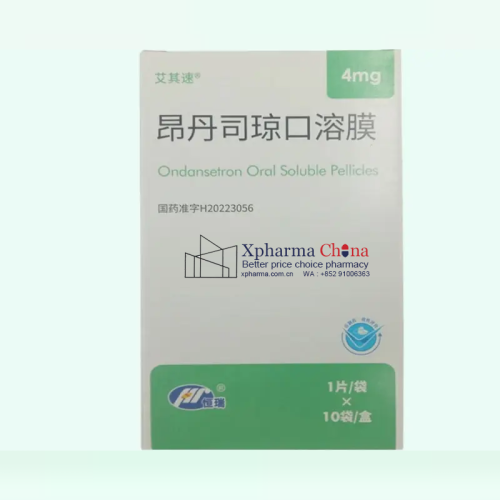
Aiqisu Ondansetron Oral Soluble Pellicles
Brand Name: 艾其速 ®(Aiqisu®)
Generic Name: Ondansetron
Strength: 4 mg per pellicle, 1 pellicle per sachet, 10 sachets per box
Manufacturer: Jiangsu Hengrui Pharmaceuticals Co., Ltd.
Marketing Authorization Holder: Jiangsu Hengrui Pharmaceuticals Co., Ltd.
Approval Date in China: January 30, 2022
Registration Number: 国药准字H20223056
Storage: Store tightly sealed below 25°C, protected from light and moisture. Keep out of reach of children. Refer to the full package insert for detailed storage specifications.
Price&Cost:Contact Us now for the best price of Ondansetron(Aiqisu)
Only logged in customers who have purchased this product may leave a review.
Reviews
There are no reviews yet.