1. Indications and Usage
Paroxysmal Nocturnal Hemoglobinuria (PNH): Treatment of adult patients with PNH who have not been previously treated with a complement inhibitor.
2. Dosage and Administration
Route of Administration: Oral administration ONLY.
Recommended Dosage: 200 mg once daily.
Critical Administration Instructions:
Swallowing: Capsules must be swallowed whole; do not open, break, or chew.
Dietary Impact: Can be taken with or without food.
Missed Dose: If a dose is missed, take it as soon as possible (even if close to the next scheduled dose), then resume the regular dosing schedule.
3. Mechanism of Action
Factor B Inhibition: Iptacopan is a selective, reversible inhibitor of complement Factor B.
Pathway Blockade: It specifically blocks the alternative complement pathway by inhibiting the formation of C3 invertin.
Hemolysis Control: This suppresses downstream complement activation, effectively controlling both intravascular and extravascular hemolysis characteristic of PNH.
4. Safety and Warnings
Infection Risk: Serious infections, particularly those caused by encapsulated bacteria (e.g., meningococcal pneumonia), may occur. Vaccination against meningococcal, pneumococcal, and H. influenzae bacteria is required before initiating therapy.
Contraindications: Contraindicated in patients with active severe infections caused by encapsulated bacteria. Treatment should not be started until the infection is resolved.
Renal and Hepatic Impairment: Not recommended for patients with severe renal impairment (eGFR <30 mL/min/1.73m²) or severe hepatic impairment (Child-Pugh C class).
5. Adverse Reactions and Clinical Research
Most Common Adverse Reactions: Upper respiratory tract infection, headache, diarrhea, abdominal pain, bacterial infection, viral infection, nausea, and rash.
Laboratory Findings: Increases in total cholesterol, LDL cholesterol, and diastolic blood pressure have been observed.
Clinical Research Highlights: Clinical trials demonstrated that iptacopan effectively reduced intravascular hemolysis and transfusion requirements in PNH patients.
6. Drug Interactions
CYP2C8 Modulators: Iptacopan is a substrate of CYP2C8.
Strong Inducers (e.g., rifampicin): May decrease iptacopan exposure and reduce efficacy.
Strong Inhibitors (e.g., gemfibrozil): May increase iptacopan exposure and should be avoided.
7. Pharmaceutical Information
Chemical Composition: Active Ingredient: Iptacopan (as hydrochloride).
Appearance: Pale yellow opaque capsules containing white or off-white to light purple-pink powder.
Packaging: Blister packaging.
Storage: Store at room temperature (20°C to 25°C); keep container tightly closed.
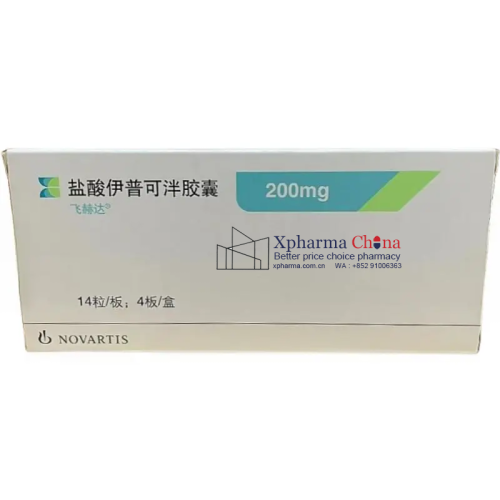
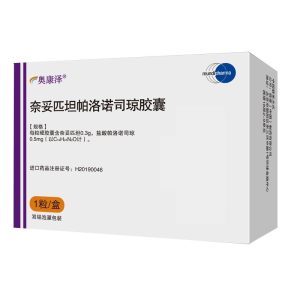
Feiheda Iptacopan Hydrochloride Capsules
Brand Name:飞赫达 ®(Feiheda® )
Generic Name: Iptacopan Hydrochloride
Strength: 200 mg per capsule, 14 capsules per blister, 4 blisters per box (56 capsules total)
Manufacturer: Novartis Pharma Produktions GmbH
Marketing Authorization Holder: Novartis Pharma Schweiz AG
Approval Date in China: April 16, 2024
Registration Number: 国药准字HJ20240016
Storage: Store sealed below 30°C, away from light and moisture. Avoid freezing. Refer to the full package insert for detailed storage specifications.
Price&Cost:Contact Us now for the best price of Iptacopan Hydrochloride(Feiheda)
Only logged in customers who have purchased this product may leave a review.

Reviews
There are no reviews yet.