- Indications and Usage Indicated as an adjunct to diet and exercise to improve glycemic control in adults with type 2 diabetes mellitus.
- Dosage and Administration Recommended Dosage: Initiate with one tablet once daily with a meal to reduce gastrointestinal tolerance issues. Titration: Dosage may be adjusted based on glycemic response. The maximum recommended daily dose is typically limited to the highest available strength (e.g., 1000 mg metformin/25 mg empagliflozin). Renal Function: Do not initiate if eGFR is below 45 mL/min/1.73 m². Evaluate renal function before starting and periodically thereafter.
- Mechanism of Action Metformin: A biguanide that decreases hepatic glucose production, decreases intestinal absorption of glucose, and improves insulin sensitivity by increasing peripheral glucose uptake and utilization. Empagliflozin: An inhibitor of the sodium-glucose cotransporter 2 (SGLT2) in the kidney. It increases urinary glucose excretion, lowering blood glucose levels independently of insulin.
- Safety and Warnings Lactic Acidosis: A rare but serious complication; discontinue if clinical or laboratory findings suggest lactic acidosis. Risk is increased in renal impairment and hypoxic states. SGLT2 Inhibitor Class Warnings: Includes risk of diabetic ketoacidosis (DKA), serious urinary tract and genital mycotic infections, acute kidney injury, and volume depletion. Hypersensitivity: Serious hypersensitivity reactions (e.g., angioedema, Stevens-Johnson syndrome) have been reported with empagliflozin.
- Adverse Reactions and Clinical Research Common Adverse Reactions: Nasopharyngitis, upper respiratory tract infection, urinary tract infection, genital mycotic infections, diarrhea, and nausea. Clinical Research: Clinical trials have demonstrated that this combination significantly reduces HbA1c and fasting plasma glucose compared to monotherapy components.
- Drug Interactions Alcohol: Chronic alcohol intake increases risk of metformin-associated lactic acidosis. Cationic Drugs: Drugs such as cimetidine may affect metformin renal clearance; dose adjustment may be necessary. Insulin and Sulfonylureas: May increase the risk of hypoglycemia when used concomitantly.
- Pharmaceutical Information Composition: Active ingredients are metformin hydrochloride and empagliflozin. Appearance: Film-coated tablets available in various strengths; specific colors and markings depend on the strength. Storage: Store at controlled room temperature in a tight, light-resistant container.
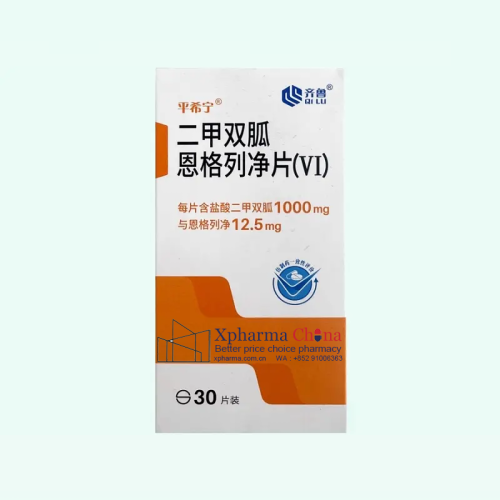
Pingxining Metformin Hydrochloride and Empagliflozin Tablets (VI)
Brand Name: 平希宁 ®(Pingxining®)
Generic Name: Metformin Hydrochloride and Empagliflozin
Strength: Each tablet contains Metformin Hydrochloride 1000 mg and Empagliflozin 12.5 mg, 30 tablets per box
Manufacturer: Qilu Pharmaceutical Co., Ltd.
Marketing Authorization Holder: Qilu Pharmaceutical Co., Ltd.
Approval Date in China: June 18, 2024
Registration Number: 国药准字H20244032
Storage: Store tightly sealed, keep in a cool dry place, avoid moisture and direct sunlight. Keep out of reach of children. Refer to the full package insert for detailed storage specifications.
Price&Cost:Contact Us now for the best price of Metformin Hydrochloride and Empagliflozin(Pingxining)
Only logged in customers who have purchased this product may leave a review.

Reviews
There are no reviews yet.