1. Description
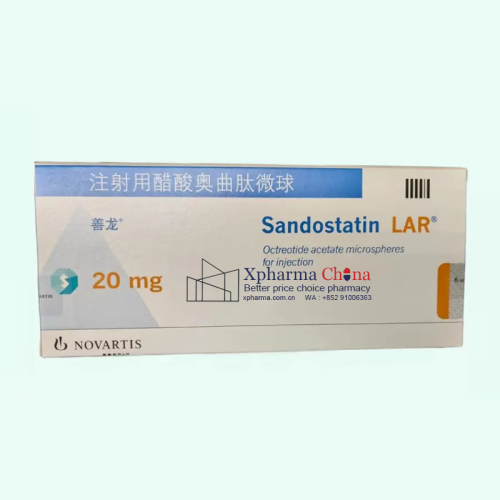
Sandostatin LAR (octreotide acetate) is a long-acting depot formulation of the synthetic somatostatin analog octreotide. Chemically, it is D-phenylalanyl-L-cysteinyl-L-phenylalanyl-D-tryptophyl-L-lysyl-L-threonyl-N-[2-hydroxy-1-(hydroxymethyl)propyl]-L-cysteinamide cyclic (2→7)-disulfide, presented as a sterile, white to off-white microsphere powder for reconstitution with the supplied diluent for intramuscular injection. Each vial contains octreotide acetate equivalent to 10mg, 20mg or 30mg of octreotide, with excipients including polylactide-co-glycolide, mannitol, carboxymethylcellulose sodium and polysorbate 80.
2. Indications
Acromegaly: For long-term maintenance treatment of patients with acromegaly who have responded to subcutaneous immediate-release octreotide, and for whom surgery or radiotherapy is not suitable or has not achieved full control.
Symptomatic control: For the relief of severe diarrhea and flushing symptoms associated with metastatic carcinoid tumors, and the symptoms of VIP-secreting tumors (VIPomas).
Advanced Neuroendocrine Tumors (NETs): For the treatment of patients with unresectable, well or moderately differentiated, locally advanced or metastatic gastroenteropancreatic neuroendocrine tumors (GEP-NETs) of midgut origin, to prolong progression-free survival.
3. Dosage and Administration
3.1 Administration
Sandostatin LAR is for intramuscular injection only, must not be administered intravenously or subcutaneously. Reconstitute the microspheres strictly following the official instructions, shake the vial gently to form a uniform suspension, and inject immediately after preparation. The injection must be delivered deep into the gluteal muscle, and alternate the left and right buttocks for each dose to reduce local irritation.
3.2 Dosage
Acromegaly: The recommended initial dose is 20mg administered intramuscularly every 4 weeks for 3 months. After 3 months, adjust the dose based on serum growth hormone (GH) and insulin-like growth factor-1 (IGF-1) levels: maintain 20mg, increase to 30mg, or reduce to 10mg every 4 weeks.
Carcinoid Tumors / VIPomas: The recommended initial dose is 20mg every 4 weeks for 3 months. Adjust the dose to 10-30mg every 4 weeks based on symptom control and biochemical marker levels.
GEP-NETs: The recommended dose is 30mg every 4 weeks, with no dose titration required unless intolerable adverse reactions occur.
Renal Impairment: No initial dose adjustment is required, even in patients with end-stage renal disease requiring dialysis.
Hepatic Impairment: For patients with moderate to severe cirrhosis, the maintenance dose may need to be reduced by 50% due to decreased octreotide clearance.
4. Warnings and Precautions
Gallbladder Abnormalities and Cholelithiasis: Octreotide significantly inhibits gallbladder motility, leading to the formation of gallstones or biliary sludge in up to 30% of patients during long-term treatment. Perform periodic ultrasound examinations of the gallbladder every 6-12 months.
Glucose Metabolism Alteration: Octreotide suppresses growth hormone, glucagon and insulin secretion, which may cause hypoglycemia or hyperglycemia. Monitor blood glucose levels regularly during treatment, especially in patients with pre-existing diabetes.
Cardiac Conduction Abnormalities: Dose-related bradycardia, QT prolongation and arrhythmia have been reported. Use with caution in patients with pre-existing cardiac arrhythmias, and monitor ECG periodically.
Thyroid Function Depression: Long-term treatment may reduce thyroid-stimulating hormone (TSH) secretion, leading to hypothyroidism. Monitor thyroid function at 6-month intervals.
Injection Site Reactions: Local pain, redness and induration at the intramuscular injection site are common, usually resolving within days after administration.
5. Contraindications
Severe hypersensitivity to octreotide or any excipients in the Sandostatin LAR formulation, including anaphylaxis, generalized urticaria and angioedema.
Concomitant use of the reconstituted suspension with other injectable drugs in the same syringe, to avoid precipitation or unexpected drug interactions.
6. Adverse Reactions
Very Common (≥ 10% incidence): Diarrhea, abdominal pain, nausea, flatulence, headache, injection site pain, cholelithiasis.
Common (1-10% incidence): Vomiting, dyspepsia, hyperglycemia, hypoglycemia, bradycardia, dizziness, thyroid function abnormality.
Serious Adverse Reactions: Biliary colic secondary to gallstones, severe arrhythmia, pancreatitis, and rare cases of acute liver injury.
7. Drug Interactions
Cyclosporine: Octreotide may reduce the intestinal absorption and plasma concentration of oral cyclosporine. Monitor cyclosporine blood levels closely and adjust the dose as needed.
Insulin / Oral Antidiabetic Agents: The inhibitory effect on glucagon secretion may increase the hypoglycemic risk of antidiabetic drugs. Adjust the dose of insulin or hypoglycemic agents according to frequent blood glucose monitoring results.
Beta-Blockers / Calcium Channel Blockers: Concomitant use may enhance the bradycardic and hypotensive effects of these cardiovascular drugs. Dose adjustment may be required.
CYP3A4 Substrates: Octreotide has weak inhibitory effect on CYP3A4, which may slightly increase the plasma concentration of drugs metabolized by this enzyme. No routine dose adjustment is needed for most substrates.
8. Use in Specific Populations
Pregnancy: Sandostatin LAR should be used during pregnancy only if the potential benefit clearly outweighs the potential risk to the fetus. Limited human data show no confirmed teratogenic risk, but close clinical monitoring is required.
Lactation: Octreotide is excreted in human breast milk. Breastfeeding is not recommended during treatment, to avoid potential gastrointestinal and metabolic disturbances in nursing infants.
Pediatric Use: Safety and effectiveness in pediatric patients have not been established. The product is not approved for use in children and adolescents under 18 years of age.
Geriatric Use: No overall difference in efficacy was observed in elderly patients, but older individuals may be more sensitive to bradycardia and glucose metabolism changes, requiring closer monitoring.
Hepatic Impairment: Dose reduction is mandatory for patients with moderate to severe cirrhosis, as octreotide clearance is significantly reduced in this population.

Reviews
There are no reviews yet.