
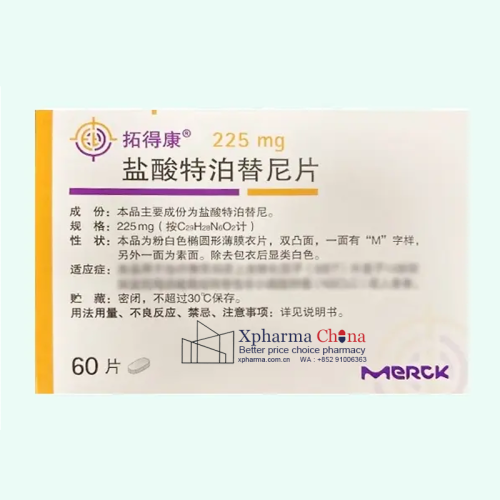
1. Description
Tepmetko (tepotinib hydrochloride) is an oral, highly selective MET receptor tyrosine kinase inhibitor. Chemically, it is 3-(1-(3-(5-methyl-1H-pyrazol-4-yl)pyridin-2-yl)-6-(morpholin-4-yl)-1H-benzo[d]imidazol-5-yl)-4-methylcyclobut-3-ene-1,2-dione hydrochloride. It is supplied as 225mg film-coated tablets, with excipients including microcrystalline cellulose, croscarmellose sodium, magnesium stearate, hypromellose, polyethylene glycol and titanium dioxide.
2. Indications
Indicated for the treatment of adult patients with metastatic non-small cell lung cancer (NSCLC) harboring MET exon 14 skipping mutation, confirmed by a validated diagnostic test, with disease progression after prior systemic therapy, or as first-line treatment for patients who are not suitable for platinum-based chemotherapy.
3. Dosage and Administration
3.1 Administration
Tepmetko is for oral use only. The tablets must be swallowed whole with water, and must not be chewed, crushed or split. It can be taken with or without food, at approximately the same time each day. For patients who cannot swallow intact tablets, the drug can be dispersed in 50mL of non-carbonated water and ingested immediately.
3.2 Dosage
Standard Recommended Dose: 450mg (two 225mg tablets) taken orally once daily, until disease progression or unacceptable toxicity occurs.
Dose Adjustment for Adverse Reactions: For grade 2 or 3 adverse reactions, temporarily suspend treatment; resume at 225mg once daily after recovery to grade 1 or baseline. For persistent intolerable grade 3 reactions or grade 4 reactions, permanently discontinue Tepmetko.
Renal Impairment: No initial dose adjustment for mild to moderate renal impairment. For severe renal impairment (eGFR 15-29 mL/min/1.73m²), reduce the dose to 225mg once daily.
Hepatic Impairment: No initial dose adjustment for mild to moderate hepatic impairment. Not recommended for patients with severe hepatic impairment, due to limited clinical data.
4. Warnings and Precautions
Interstitial Lung Disease (ILD)/Pneumonitis: Fatal cases of ILD have been reported in clinical trials. Monitor patients for new or worsening respiratory symptoms. Immediately interrupt treatment if ILD is confirmed, and permanently discontinue the drug.
Hepatotoxicity: Severe, life-threatening liver injury has been observed. Monitor liver function tests (ALT, AST, bilirubin) every 2 weeks for the first 3 months of treatment, then monthly thereafter.
Edema: Peripheral edema, facial edema and even generalized fluid retention are common adverse reactions. Monitor patients for signs of fluid overload, and manage with diuretics if clinically indicated.
Embryo-Fetal Toxicity: Tepotinib can cause fetal harm when administered to a pregnant woman. Advise patients of the potential risk to the fetus and use effective contraception during treatment and for 1 week after the last dose.
5. Contraindications
Confirmed severe hypersensitivity to tepotinib hydrochloride or any excipients in the Tepmetko formulation.
Concomitant use with strong CYP3A4 inducers that may significantly reduce tepotinib plasma concentration and lead to treatment failure.
6. Adverse Reactions
Very Common (≥ 10% incidence): Peripheral edema, nausea, diarrhea, fatigue, hypoalbuminemia, elevated blood creatinine, vomiting.
Common (1-10% incidence): Interstitial lung disease, elevated liver transaminases, dyspnea, musculoskeletal pain, rash.
Serious Adverse Reactions: Severe ILD/pneumonitis, life-threatening drug-induced liver injury, and severe fluid retention leading to cardiac decompensation.
7. Drug Interactions
Strong CYP3A4 Inhibitors: Co-administration with itraconazole, ketoconazole and other strong CYP3A4 inhibitors will significantly increase tepotinib plasma exposure. Closely monitor for adverse reactions, and reduce the dose if intolerance occurs.
Strong CYP3A4 Inducers: Rifampicin, phenytoin and other strong CYP3A4 inducers can reduce tepotinib AUC by more than 60%, leading to reduced therapeutic efficacy. Co-administration should be avoided.
P-gp Substrates: Tepotinib may increase the plasma concentration of P-gp substrates (such as digoxin). Monitor the therapeutic effect and toxicity of these substrates closely during combined use.
8. Use in Specific Populations
Pregnancy: Tepmetko is contraindicated in pregnancy, as it will cause fetal harm. Confirm negative pregnancy test before initiation.
Lactation: Breastfeeding is strictly prohibited during treatment and for 1 week after the last dose, to avoid potential severe adverse effects in nursing infants.
Pediatric Use: Safety and effectiveness in pediatric patients under 18 years of age have not been established.
Geriatric Use: No overall difference in safety or efficacy was observed in patients aged 65 years and older. No special initial dose adjustment is required.
Renal/Hepatic Impairment: Dose reduction is mandatory for severe renal impairment, and the drug is not recommended for severe hepatic impairment.


Reviews
There are no reviews yet.