
1. Indications and Usage
Secondary Hyperparathyroidism: Indicated for the treatment of secondary hyperparathyroidism in patients with end-stage renal disease (ESRD) undergoing hemodialysis.
2. Dosage and Administration
Administration Route: The injection is administered via the hemodialysis access line.
Adults: The recommended starting dose is 0.04-0.1 µg/kg (2.8-7 µg) per dialysis session.
Frequency: It can be administered at any time during dialysis, but the frequency should not exceed every other dialysis session.
Dose Adjustment: Once the dose is determined, serum calcium and phosphorus should be monitored at least monthly, and serum intact parathyroid hormone (iPTH) should be assessed every three months.
Pediatrics: The safety and efficacy in children (0-18 years) have not been established.
3. Mechanism of Action
Vitamin D Receptor Agonism: Paricalcitol is a synthetic vitamin D analog that binds to and activates vitamin D receptors (VDR).
PTH Suppression: This activation suppresses the synthesis and secretion of parathyroid hormone (PTH) by the parathyroid glands.
Calcium and Phosphorus: Compared to active vitamin D3, paricalcitol has a lower propensity to cause hypercalcemia and hyperphosphatemia.
4. Safety and Warnings
Hypercalcemia: The most common adverse reaction is hypercalcemia, which is associated with the degree of PTH suppression.
Vascular Calcification: Chronic hypercalcemia may lead to systemic vascular calcification and other soft tissue calcifications.
Digitalis Toxicity: Hypercalcemia from any cause increases the risk of digitalis toxicity.
Alcohol Content: The injection contains ethanol, which may be harmful to patients with alcoholism.
5. Adverse Reactions and Clinical Research
Common Adverse Reactions: Hypercalcemia is the most frequent adverse reaction. Other reported events include hyperphosphatemia, hypotension, and nausea.
Clinical Research: Pivotal clinical trials have demonstrated that paricalcitol effectively lowers iPTH levels in hemodialysis patients with a reduced risk of hypercalcemia compared to calcitriol.
6. Drug Interactions
Calcium and Vitamin D: Concomitant use of calcium-containing phosphorus binders or vitamin D drugs may increase the risk of hypercalcemia and elevated calcium-phosphorus product.
Thiazide Diuretics: May increase the risk of hypercalcemia.
Magnesium-Containing Formulations: Should be avoided to prevent hypermagnesemia.
Ketoconazole: May increase paricalcitol plasma levels by inhibiting its metabolism.
Digitalis Glycosides: Use with caution due to the potential for digitalis toxicity in the setting of hypercalcemia.
7. Pharmaceutical Information
Active Ingredient: Paricalcitol.
Excipients: Ethanol, propylene glycol, and water for injection.
Appearance: A clear, colorless solution.
Storage: Store at controlled room temperature and protect from light.
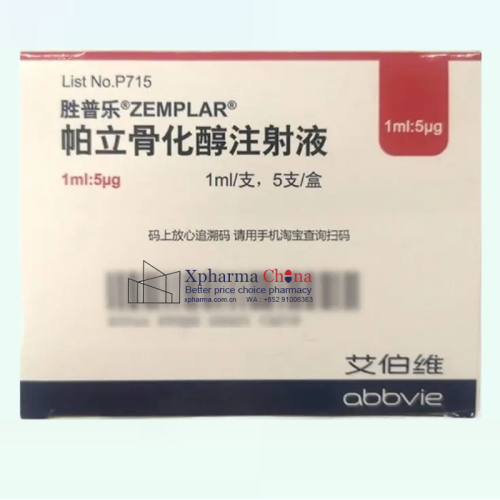
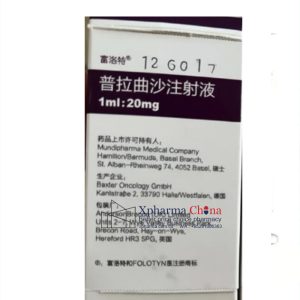
Zemplar Paricalcitol Injection
Brand Name: 胜普乐®(Zemplar®)
Generic Name: Paricalcitol
Strength: 5 μg per 1 mL ampoule, 5 ampoules per box
Manufacturer: Avara Liscate Pharmaceutical Services S.P.A.
Marketing Authorization Holder: AbbVie S.R.L.
Approval Date in China: 2018 (import registration approval)
Registration Number: 国药准字HJ20181071
Storage: Store below 30℃ at room temperature, do not freeze, shield from strong light; keep away from children, follow detailed storage rules written on the package insert
Price&Cost:Contact Us now for the best price of Paricalcitol(Zemplar)
Only logged in customers who have purchased this product may leave a review.
Reviews
There are no reviews yet.