
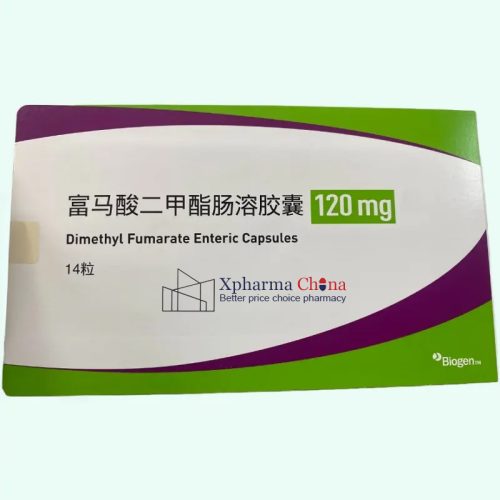
1. Description
Tecfidera (dimethyl fumarate) is an oral fumarate ester with immunomodulatory and anti-oxidative stress properties. Chemically, it is dimethyl (E)-but-2-enedioate, presented as hard gelatin enteric-coated capsules containing 120mg or 240mg of dimethyl fumarate. The enteric coating resists dissolution in gastric acid, releasing the active drug in the small intestine. Excipients include microcrystalline cellulose, croscarmellose sodium, talc, silica colloidal anhydrous, and the enteric coating components hypromellose acetate succinate, titanium dioxide and triethyl citrate.
2. Indications
Indicated for the treatment of adult patients with relapsing forms of multiple sclerosis (MS), including clinically isolated syndrome, relapsing-remitting multiple sclerosis, and active secondary progressive multiple sclerosis, to reduce the frequency of clinical relapses and delay the progression of physical disability.
3. Dosage and Administration
3.1 Administration
Tecfidera is for oral use only. The enteric capsules must be swallowed whole with water, and must not be crushed, chewed or opened, to avoid gastric mucosal irritation from the uncoated active ingredient. Taking the capsules with food can significantly reduce the common flushing and gastrointestinal adverse reactions.
3.2 Dosage
Initial Titration Phase: The recommended starting dose is 120mg taken orally twice daily for the first 7 days of treatment, to improve gastrointestinal tolerability.
Maintenance Phase: After the 7-day titration, the recommended maintenance dose is 240mg taken orally twice daily, taken at approximately 12-hour intervals.
Dose Adjustment for Adverse Reactions: For patients with persistent moderate to severe gastrointestinal adverse events, temporarily reduce the dose to 120mg twice daily. After 1 month, the dose can be escalated back to 240mg twice daily as tolerated.
Renal Impairment: No initial dose adjustment is required for mild to moderate renal impairment. Use with caution in severe renal impairment, as long-term clinical data are limited.
Hepatic Impairment: No initial dose adjustment is needed for mild hepatic impairment. Avoid use in moderate to severe hepatic impairment, due to potential risk of elevated liver transaminases.
4. Warnings and Precautions
Lymphopenia: Dimethyl fumarate may reduce peripheral blood lymphocyte counts. Monitor complete blood counts (CBC) including lymphocyte counts before initiation, 6 months after starting treatment, then every 6 to 12 months during therapy. For patients with lymphocyte counts persistently below 0.5×10⁹/L, evaluate the risk-benefit of continuing treatment.
Progressive Multifocal Leukoencephalopathy (PML): Rare fatal cases of PML have been reported in post-marketing surveillance, almost exclusively in patients with prolonged severe lymphopenia. Immediately evaluate any new or progressive neurological symptoms suggestive of PML.
Gastrointestinal Toxicity: Severe diarrhea, nausea, vomiting and abdominal pain are common in the first month of treatment. These symptoms usually resolve spontaneously within weeks, and can be mitigated by taking the drug with food.
Flushing Reaction: Transient flushing, warmth, pruritus and erythema are very common adverse reactions. Administering the dose with food or taking a low-dose non-enteric coated aspirin 30 minutes before dosing can significantly reduce flushing severity.
Hepatic Injury: Elevated liver transaminases (more than 3 times the upper limit of normal) have been reported. Monitor liver function tests at baseline and periodically during treatment. Discontinue the drug if clinically significant drug-induced liver injury is confirmed.
5. Contraindications
Confirmed severe hypersensitivity to dimethyl fumarate or any excipients in the Tecfidera formulation, including anaphylaxis, angioedema and generalized urticaria.
Concomitant use with other fumarate-containing systemic therapies (such as fumaric acid esters for psoriasis), to avoid excessive drug exposure and severe lymphopenia.
Patients with pre-existing severe lymphopenia (baseline lymphocyte count <0.8×10⁹/L) before treatment initiation.
6. Adverse Reactions
Very Common (≥ 10% incidence): Flushing, abdominal pain, diarrhea, nausea, vomiting, lymphopenia, elevated liver transaminases.
Common (1-10% incidence): Pruritus, rash, dyspepsia, gastritis, leukopenia, proteinuria.
Serious Adverse Reactions: Progressive multifocal leukoencephalopathy (PML), severe drug-induced liver injury, severe gastrointestinal hemorrhage, and rare cases of eosinophilic gastroenteritis.
7. Drug Interactions
Nephrotoxic Agents: Concomitant use with aminoglycosides, NSAIDs or other drugs with renal toxicity may increase the risk of renal function impairment. Monitor renal function regularly during combined therapy.
Immunosuppressants / Immunomodulators: Co-administration with other MS disease-modifying therapies (such as interferons, teriflunomide) may produce additive immunosuppressive effects, increasing the risk of infection. Avoid overlapping use unless the clinical benefit clearly outweighs the risk.
No CYP450 Mediated Interactions: Dimethyl fumarate and its active metabolite monomethyl fumarate do not significantly interact with the cytochrome P450 enzyme system. No clinically relevant pharmacokinetic interactions with common oral antidiabetic, antihypertensive or antiplatelet drugs have been identified.
Vaccination: Live attenuated vaccines are not recommended during treatment, as the reduced lymphocyte count may impair normal immune response to the vaccine and increase the risk of vaccine-derived infection.
8. Use in Specific Populations
Pregnancy: Tecfidera should be used during pregnancy only if the potential benefit justifies the potential risk to the fetus. Human clinical data are limited, and animal studies show no direct teratogenicity but dose-related maternal toxicity.
Lactation: Dimethyl fumarate is excreted in human breast milk. Breastfeeding is not recommended during treatment, to avoid potential lymphopenia and gastrointestinal adverse effects in nursing infants.
Pediatric Use: Safety and effectiveness in pediatric patients under 18 years of age have not been established. The drug is not approved for use in children and adolescents.
Geriatric Use: Clinical trials included very few patients aged 65 years and older. Elderly patients are more likely to have reduced renal function, so close monitoring of renal and lymphocyte counts is recommended during treatment.
Renal/Hepatic Impairment: No initial dose adjustment is required for mild impairment. Avoid use in severe renal or moderate-severe hepatic impairment, due to insufficient safety data.



Reviews
There are no reviews yet.