1. Indications and Usage
Malignancy-Associated Hypercalcemia: Treatment of hypercalcemia of malignancy.
Bone Metastases: Treatment to prevent skeletal-related events (such as pathologic fractures, spinal cord compression, or need for radiation or surgery to bone) in patients with multiple myeloma or bone metastases from solid tumors.
2. Dosage and Administration
Hypercalcemia: The recommended dose is 4 mg administered as an intravenous infusion over no less than 15 minutes.
Bone Metastases: The recommended dose is 4 mg administered as an intravenous infusion over no less than 15 minutes every 3 to 4 weeks.
Pre-hydration: Adequate hydration must be ensured prior to administration, especially in patients with hypercalcemia or those receiving diuretics.
3. Mechanism of Action
Inhibition of Osteoclasts: Zoledronic acid is a potent inhibitor of osteoclast-mediated bone resorption.
FPPS Inhibition: It binds to bone mineral and, upon osteoclast uptake, inhibits farnesyl pyrophosphate synthase (FPPS), a key enzyme in the mevalonate pathway, thereby preventing post-translational modification of small GTPases and inducing osteoclast apoptosis.
4. Safety and Warnings
Renal Toxicity: Zoledronic acid can cause renal impairment and worsening of pre-existing renal insufficiency. Renal function must be monitored before each dose.
Hypocalcemia: Significant hypocalcemia, hypophosphatemia, and hypomagnesemia may occur, particularly in patients with hypercalcemia of malignancy.
Osteonecrosis of the Jaw: Rare cases of osteonecrosis of the jaw have been reported, mostly in cancer patients with advanced disease.
Acute Phase Reaction: A transient acute phase reaction characterized by fever, myalgia, and flu-like symptoms is common after the first infusion.
Atypical Fractures: Long-term use has been associated with rare cases of subtrochanteric and diaphyseal femoral fractures.
5. Adverse Reactions and Clinical Research
Common Adverse Reactions: Pyrexia, asthenia, bone pain, headache, nausea, vomiting, constipation, and dyspnea.
Clinical Research: Clinical trials have demonstrated that zoledronic acid significantly delays the time to first-onset of skeletal-related events and reduces the incidence of hypercalcemia of malignancy.
6. Drug Interactions
Nephrotoxic Drugs: Concomitant use with other nephrotoxic drugs (e.g., aminoglycosides, nonsteroidal anti-inflammatory drugs, platinum compounds) should be avoided or monitored closely.
Diuretics: Concurrent use with diuretics may increase the risk of hypocalcemia.
Calcium/Vitamin D: Calcium and vitamin D supplements should be administered to maintain normal calcium levels.
7. Pharmaceutical Information
Active Ingredient: Zoledronic Acid.
Appearance: Colorless, clear liquid.
Storage: Store at controlled room temperature. Do not freeze.
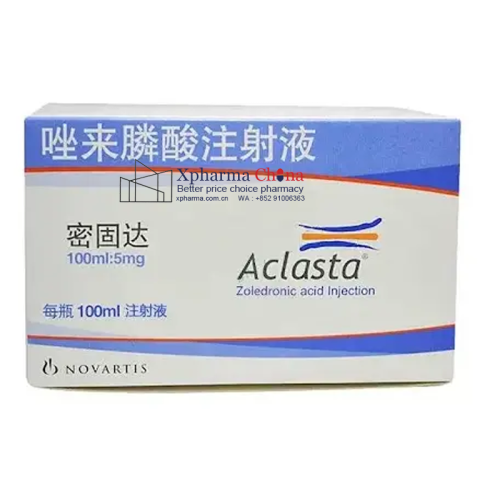
Aclasta Zoledronic Acid Injection
Brand Name: 密固达®(Aclasta®)
Generic Name: Zoledronic Acid
Strength: 5 mg per 100 mL vial, 1 vial per box
Manufacturer: Fresenius Kabi Austria GmbH
Marketing Authorization Holder: Novartis Pharma Schweiz AG
Approval Date in China: 2018
Registration Number: 国药准字HJ20181132
Storage: Store below 30°C, protected from light; do not freeze; keep out of reach of children, comply with full storage instructions in package insert
Price&Cost:Contact Us now for the best price of Zoledronic Acid(Aclasta)
Only logged in customers who have purchased this product may leave a review.


Reviews
There are no reviews yet.