Description
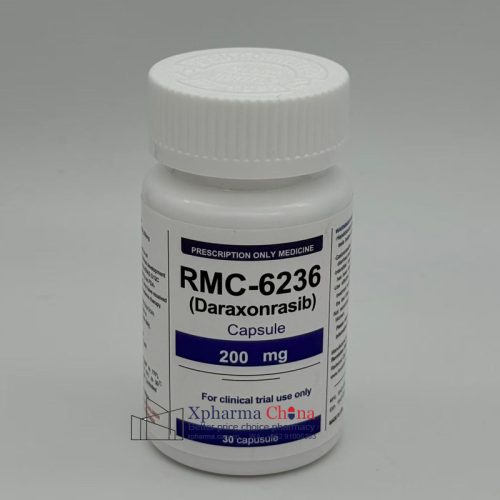
Daraxonrasib (RMC-6236) is a potent, selective RAS(ON) MULTI inhibitor with the molecular formula C₄₄H₅₈N₈O₅S. It forms a binary complex with cyclophilin A to selectively bind to the active GTP-bound state of RAS proteins, blocking downstream oncogenic signaling pathways.
Indications
It is designated for the treatment of pancreatic cancer, and is also under clinical investigation for advanced solid tumors harboring various RAS mutations including KRAS, NRAS and HRAS subtypes.
Dosage and Administration
The recommended clinical dose is 200 mg orally once daily, administered in 28-day treatment cycles until disease progression or unacceptable toxicity occurs.
Administration
The oral tablet can be taken with or without food. Swallow the whole preparation with water, do not chew, crush or dissolve the drug before intake.
Dosage
The confirmed recommended phase 3 dose is 200 mg once daily. For grade 2 or higher non-hematological adverse events, treatment can be interrupted for up to 8 days, then resumed at a reduced dose of 150 mg daily after symptom relief.
Warnings and Precautions
Monitor liver function and cardiac enzyme levels regularly during treatment. Avoid co-administration with strong CYP3A inhibitors, as it may lead to unexpected drug accumulation.
Contraindications
Daraxonrasib is contraindicated in patients with known severe hypersensitivity to any active ingredient or excipients of this product.
Adverse Reactions
Common reported adverse events include mild diarrhea, nausea, fatigue and transient liver enzyme elevation. No grade 4-5 treatment-related serious adverse events were observed in clinical trials.
Drug Interactions
Strong CYP3A inducers may significantly reduce the plasma concentration of Daraxonrasib. Dose adjustment is required when co-administered with moderate to strong CYP3A inhibitors to avoid potential toxicity.
Use in Specific Populations
Pregnancy & Lactation: Effective contraception is required during treatment, breastfeeding is not recommended.
Geriatric Patients: No dose adjustment is needed for patients aged 65 and above.
Hepatic/Renal Impairment: No dose adjustment is required for mild to moderate impairment, clinical data for severe impairment is not available.



Reviews
There are no reviews yet.